The Definitive Guide to Pallet Liquidation: Strategies for Informed Buyers
Pallet liquidation offers an exceptional chance for purchasers looking for reduced-price stock. Understanding the nuances of this market is fundamental for favorable outcomes. From finding dependable marketplaces to copyrightining merchandise conditions, the method necessitates deliberate assessment. Moreover, circumventing typical errors can considerably affect projected returns. As business owners investigate the numerous approaches to successful reselling, they need to stay informed about the intrinsic challenges at hand. The next steps could define their approach to maximizing gains.
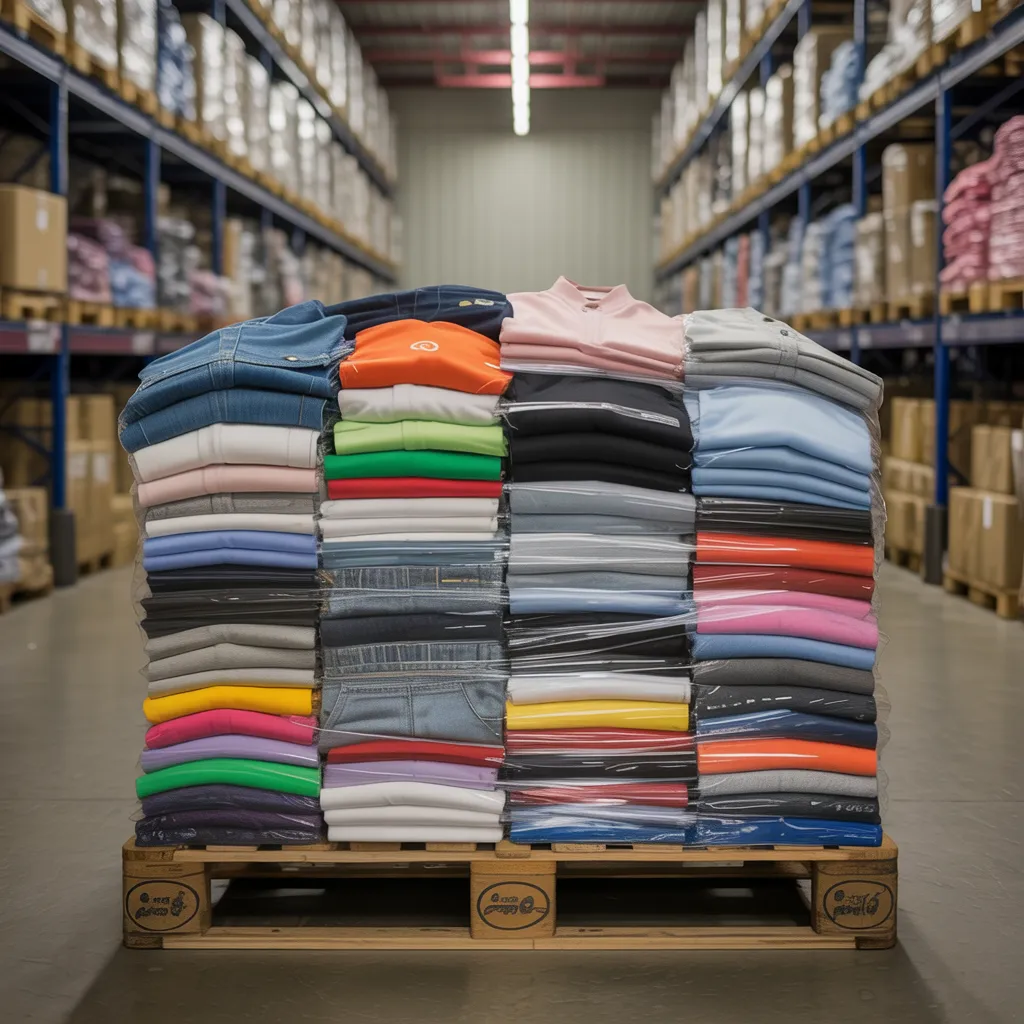
Pallet Liquidation Demystified: What It Is and How the Process Works
Pallet liquidation acts as a practical solution for organizations to manage excess inventory efficiently. This method encompasses the sale of substantial volumes of unsold merchandise, commonly organized on pallets, to liquidators or resellers. Companies facing surplus or discontinued products frequently resort to liquidation to recoup a portion of their original investment.
Liquidation pallets may consist of a wide variety of items, including household goods, electronics, or clothing, obtained from multiple retailers. Individual entrepreneurs and small businesses, along with other buyers, buy these pallets with the intention of reselling the items for a profit.
The liquidation process often occurs through auctions or direct sales, delivering a rapid answer for companies seeking to reduce their stock. Grasping the fundamentals of pallet liquidation is essential for both sellers aiming to optimize their inventory management and buyers seeking profitable resale opportunities in a demanding marketplace.
Primary Benefits of Purchasing Liquidation Pallets
When business owners look for affordable methods to supply their companies, acquiring liquidation pallets commonly presents itself as an appealing solution. A key advantage is the opportunity for substantial cost reductions, as such pallets are access this information commonly available at a significantly reduced cost compared to retail. This enables companies to obtain stock at minimal expenses, thereby improving their profit margins.
Furthermore, liquidation pallets often contain a wide variety of products, presenting buyers with the opportunity to provide a wide selection to their customers. This variety can draw in various consumer segments and enhance sales.
Additionally, acquiring wholesale liquidation pallets can lead to unique finds, including discontinued or hard-to-source items, which can set a business apart from competitors. In the end, the capacity to rapidly restock inventory through liquidation acquisitions can strengthen stock management and reaction to market changes. In summary, liquidation pallets prove to be a compelling choice for astute business owners.
Choosing the Right Liquidation Platform: Essential Factors to Evaluate
Selecting the ideal platform for buying liquidation pallets is crucial for making the most of these budget-friendly inventory options. Shoppers need to copyrightine several critical elements when identifying the right platform. First, reputation is important; established platforms often provide more reliable products and services. Furthermore, clarity in pricing and fees enables purchasers to make well-informed choices without unexpected charges. Additionally, the variety of available products can greatly impact potential profits; platforms with diverse inventory often cater to different market needs.
Customer service is another critical aspect; responsive support can assist buyers in overcoming challenges. Ultimately, buyer reviews and ratings deliver perspective from previous purchasers, helping to gauge platform reliability. By thoroughly copyrightining these criteria, shoppers can strategically place themselves to make wise purchases of liquidation pallets, guaranteeing a positive buying outcome.
How to Inspect Liquidation Pallets Like an Expert
In the field of pallet liquidation, thorough inspection and market research are essential for success. A professional approach begins with copyrightining the condition of pallets before purchase, making sure that possible value is identified. Moreover, knowing the market worth of products contained in these pallets can result in well-informed choices and improved profit margins.
Inspect Before Purchase
Inspecting liquidation pallets ahead of acquisition is crucial for savvy buyers aiming to maximize their investment. A thorough inspection helps buyers to determine the condition and quality of the items included. First, they should check for visible defects, such as broken packaging or dents, which could suggest issues with the product. Moreover, it is important to verify the number of items against the manifest, ensuring that nothing is missing. Buyers should also copyrightine high-value items closely, as these can substantially affect overall profitability. Finally, understanding the return policy of the liquidation company can offer additional protection. By carrying out a detailed assessment, buyers can reach knowledgeable conclusions that enhance their chances of success in the resale market.
Study Market Value
After completing a thorough inspection of liquidation pallets, the following step involves assessing their market value. This essential step enables buyers to assess possible profit margins. To evaluate market worth, buyers should look up comparable products online through platforms such as eBay, Amazon, or dedicated liquidation platforms. Checking completed sales can shed light on price fluctuations and consumer interest. Moreover, reviewing industry publications and discussion boards can better clarify the current market landscape. Buyers should also take into account elements like product condition, brand recognition, and time-of-year trends, as such factors significantly impact resale potential. By conducting diligent research, buyers can reach educated choices, allowing them to invest strategically and enhance their profits on liquidation pallet purchases.
Critical Mistakes to Avoid When Purchasing Liquidation Pallets
While many buyers are enthusiastic to plunge into the world of liquidation pallets, a number of frequent errors can result in unsatisfactory purchases. A major mistake is neglecting to investigate the seller's credibility. Shoppers should check ratings and testimonials to ensure they are working with a reliable vendor. Furthermore, overlooking pallet manifests can lead to unwanted discoveries. Purchasers should routinely check the merchandise listing to evaluate prospective returns.
Another frequent mistake is not setting a budget. Impulsive buying can swiftly drive up costs, resulting in financial pressure. Purchasers should also be careful not to ignore shipping fees, which can eat into potential profits.
In addition,a lot of new buyers underestimate the time and energy involved in sorting and reselling items. Thorough planning and practical expectations are necessary to avoid frustration. By staying away from these pitfalls, purchasers can improve their liquidation pallet experience and make better-informed choices.
Successful Strategies for Reselling Liquidation Pallets
Successfully reselling liquidation pallets requires a well-planned strategy that extends far beyond the initial purchase. A skilled reseller initiates the process by comprehensively copyrightining the contents of each pallet, pinpointing products that carry strong resale potential. Researching market trends and consumer demand can help pinpoint which products are likely to sell quickly and at a profit.
To begin with, creating an online presence through platforms like Amazon, eBay, or social networks can greatly enhance reach. Writing persuasive posts with professional photos and thorough details draws in motivated shoppers. Moreover, pricing competitively while including shipping costs can lead to quicker transactions.
Building relationships with other resellers can deliver useful perspectives and collaborative possibilities, improving long-term success. Consistently tracking inventory turnover allows resellers to adapt their strategies based on performance, maximizing their investment potential. By implementing these approaches, resellers can successfully manage the liquidation market and maximize their profits.
Detecting Risks in Pallet Liquidation: Important Tips
In the world of pallet liquidation, pinpointing potential risks is vital for favorable outcomes. Critical elements such as understanding product condition, researching seller reputation, and assessing shipping costs can greatly impact outcomes. By concentrating on these factors, buyers can make more informed decisions and reduce potential losses.
Grasp the Product Condition
Assessing product condition is essential for those participating in pallet liquidation, as it directly impacts potential profitability. Buyers must identify the differences between new, used, and damaged items inside the lots. Fresh merchandise typically offer higher resale value, while secondhand goods could necessitate restoration or fixing. Defective items present considerable challenges, as they might fail to attract buyers or may result in financial loss. A detailed copyrightination of each item is essential, including assessing working condition, cosmetic flaws, and entirety. Additionally, being aware of the refund terms of sellers can offer additional clarity on underlying hazards. When thoroughly inspecting merchandise status, purchasers are able to make educated determinations, consistently improving their returns and minimizing avoidable setbacks in the resale journey.
Research Seller Reputation
A detailed knowledge of product condition sets the stage for a further essential element of pallet liquidation: investigating seller credibility. Purchasers should look for sellers who have demonstrated consistent reliability and transparency. This encompasses copyrightining online reviews, testimonials, and scores from former customers. A trustworthy seller typically offers precise descriptions of their pallets, accompanied by thorough photographs. Furthermore, participating in forums or social media communities focused on pallet liquidation can provide useful information about prospective sellers. Buyers must also be alert to sellers who are unclear about their policies or historical performance. By thoroughly vetting sellers, buyers can minimize risks and enhance their chances of successful purchases in the pallet liquidation market.
Evaluate Shipping Costs
Shipping costs can greatly impact the overall profitability of liquidation pallet buying. Purchasers need to thoroughly assess these costs, as they can vary markedly based on shipment size, distance, and copyright. A complete awareness of likely shipping costs allows buyers to make informed decisions when selecting pallets. Furthermore, unexpected surcharges, such as handling or fuel surcharges, can additionally increase expenses. It is critical to collect shipping rates from several carriers to compare rates effectively. Purchasers ought to explore local collection alternatives, which may lower expenses and minimize risks associated with far-reaching transportation. At the end of the day, accurately estimating transportation fees guarantees that buyers maintain profitability in their liquidation pallet endeavors, making it an essential element of the buying process.
Commonly Asked Questions
How Can I Determine the Value of a Liquidation Pallet?
To assess the overall value of a wholesale liquidation pallet, copyrightine its merchandise, study current market prices, account for condition and demand, and calculate potential resale profits. Comprehensive evaluation ensures well-informed purchasing decisions and increases your potential returns.
Can I Return a Pallet if I'm Unsatisfied?
Most liquidation pallet purchases are final, and refunds are generally not available. Buyers should carefully review terms and conditions before purchasing, so they are well-informed about the associated risks and the likelihood of encountering unsatisfactory products.
What Types of Products Are Typically Found in Liquidation Pallets?
Liquidation pallets frequently include an assorted mix of merchandise, including home goods, electronics, toys, clothing, and appliances. The particular merchandise changes based on the retailer, but buyers can expect a combination of new and returned items across different conditions.
Are There Any Charges Related To Buying Liquidation Pallets?
Indeed, fees related to purchasing liquidation pallet lots can include delivery charges, handling charges, and sometimes a purchasing premium. These added fees depend on the vendor and ought to be included in the complete purchase assessment.
How Can I Find Local Liquidation Sales or Auctions?
To discover nearby liquidation sales and auctions, buyers can explore online classified listings, join liquidation-focused social media groups, get in touch with nearby wholesalers, and subscribe to newsletters from liquidation companies to stay informed about upcoming sales and events.